In Pilon v. CAA Insurance Company, 2026 CanLII 50999 (ON LAT), an Ontario tribunal sided with CAA Insurance Company, ruling a worker struck by a ceiling fan while caulking a trailer roof was not in an "accident."
In a decision released May 26, 2026, Licence Appeal Tribunal adjudicator Melanie Malach found that Bryan Pilon's injuries did not meet the definition of "accident" under section 3(1) of the Statutory Accident Benefits Schedule, dismissing his application for benefits against CAA Insurance Company.
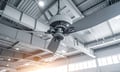
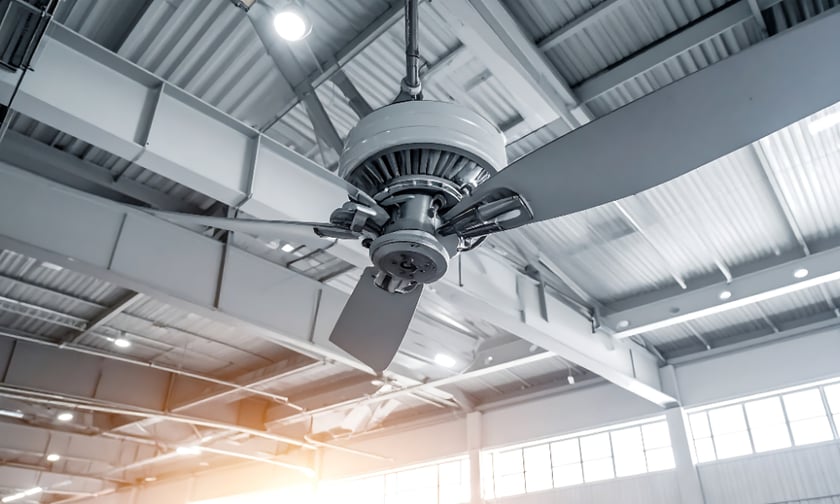
The incident took place on February 1, 2024, at Mill Creek Feight Ltd. Pilon was sealing the roof of a trailer with caulk when he ran out of supply. As he stood up on the trailer roof to get more, his forehead was struck by the retaining blade of an industrial fan affixed to the ceiling.
He retained legal counsel on March 6, 2024, submitted his Application for Accident Benefits (OCF-1) on September 10, 2024, and attended an Examination Under Oath on October 31, 2024. CAA denied the claim, taking the position that the incident did not qualify as an "accident" under the Schedule.
The Tribunal applied the two-part test set out in Economical Mutual Insurance Company v. Caughy: the Purpose Test and the Causation Test. CAA conceded the Purpose Test was met - performing maintenance on a trailer is one of the ordinary and well-known activities to which automobiles are put.
The case turned on causation. Malach accepted that Pilon would not have been injured "but for" his repair of the trailer roof, but found that did not end the inquiry. Citing the Court of Appeal's decision in Chisholm v. Liberty Mutual Group, she noted the "but for" test is exclusionary and does not establish legal causation on its own.
CAA argued that the low-hanging, obstructed and unguarded ceiling fan was a hazard and dangerous flaw with the layout of the Mill Creek depot - not a normal risk associated with maintaining and repairing a trailer. It pointed to the Tribunal's reasoning in Li v. Economical Insurance Company, where a malfunctioning hoist broke the chain of causation during a vehicle inspection.
Malach agreed. She found the ceiling fan was a new and independent source unconnected to the trailer, and that the "ceiling fan broke the chain of causation." She distinguished Madore v. Intact, where the Divisional Court treated a fall from a 12-foot trailer roof as a foreseeable incident of risk - noting that being struck by a ceiling fan, by contrast, was not foreseeable when repairing a trailer.
On the dominant feature consideration, she found the trailer was merely the location of the injury. The ceiling fan, not the use or operation of the trailer, directly caused Pilon's impairments.
With the Causation Test not satisfied, the Tribunal did not need to address CAA's secondary argument - that Pilon was barred from proceeding because he failed to submit his OCF-1 within the time prescribed in the Schedule.
The application was dismissed.