An Ontario tribunal has ordered TD General Insurance to partly cover a chronic pain program after finding its assessors' reports lacked clear reasoning.
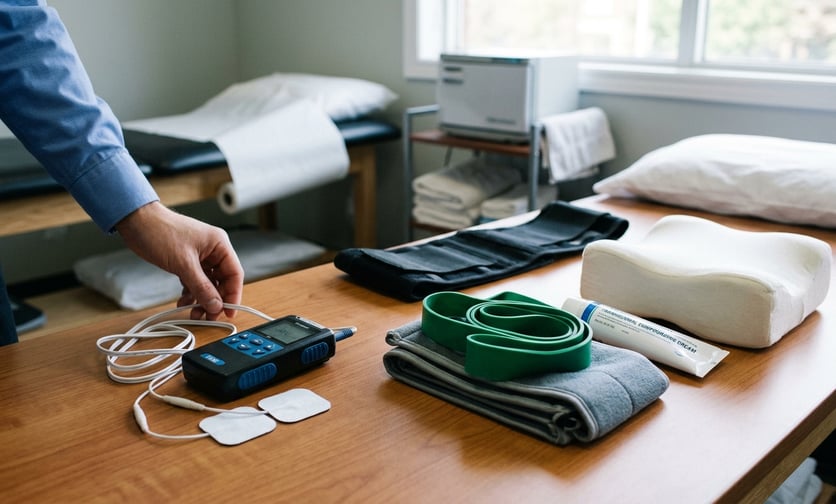
The applicant was injured in a car accident in June 2024 and sought $19,418.59 for a multidisciplinary chronic pain program proposed by All Health Medical Centre in a treatment plan submitted February 14, 2025. The program combined physical rehabilitation, chiropractic care, massage therapy and mental health counselling with goods such as a TENS unit, transdermal compounding cream, a lumbar support and a cervical pillow, along with transportation and language interpretation services. TD General Insurance denied the plan, relying on assessments from a psychologist and an orthopaedic surgeon who concluded the applicant did not qualify for the program. The Licence Appeal Tribunal disagreed, in a decision released August 24, 2026, awarding the applicant $14,274.07 plus interest.
The adjudicator placed greater weight on the applicant's own chronic pain specialist, who diagnosed her using the AMA Guides to the Evaluation of Permanent Impairment and found she met four of six diagnostic criteria for chronic pain syndrome. The respondent's psychologist reached the opposite conclusion, finding the applicant failed the program's "necessary entrance criteria," but his report never identified what those criteria were or engaged with the framework the applicant's specialist had used. The respondent's orthopaedic surgeon limited his findings to physical recovery, declined to weigh in on the applicant's chronic pain, depression, or related conditions since they fell outside his expertise, and still concluded the treatment plan was unnecessary.
The tribunal excluded some items from the award. A TENS unit, lumbar support and a cervical pillow had already been provided to the applicant under an earlier treatment plan, and she left the respondent's duplication argument unanswered. Transportation and interpretation services proposed in the plan were also denied. The applicant said she could not drive for more than 15 minutes and needed language assistance, yet offered no evidence of a specific driving restriction, while the record showed she had managed prior assessments in English without an interpreter.
The applicant also sought an award of up to 50 per cent of the benefits payable, arguing the respondent unreasonably withheld or delayed payment by leaning too heavily on its own assessors without revisiting them. The tribunal rejected this claim: the respondent had commissioned updated assessments as new medical information came in, and the applicant's submissions never explained how that conduct crossed from mistaken into unreasonable.
Interest applies to the applicant's outstanding entitlement under the Statutory Accident Benefits Schedule.