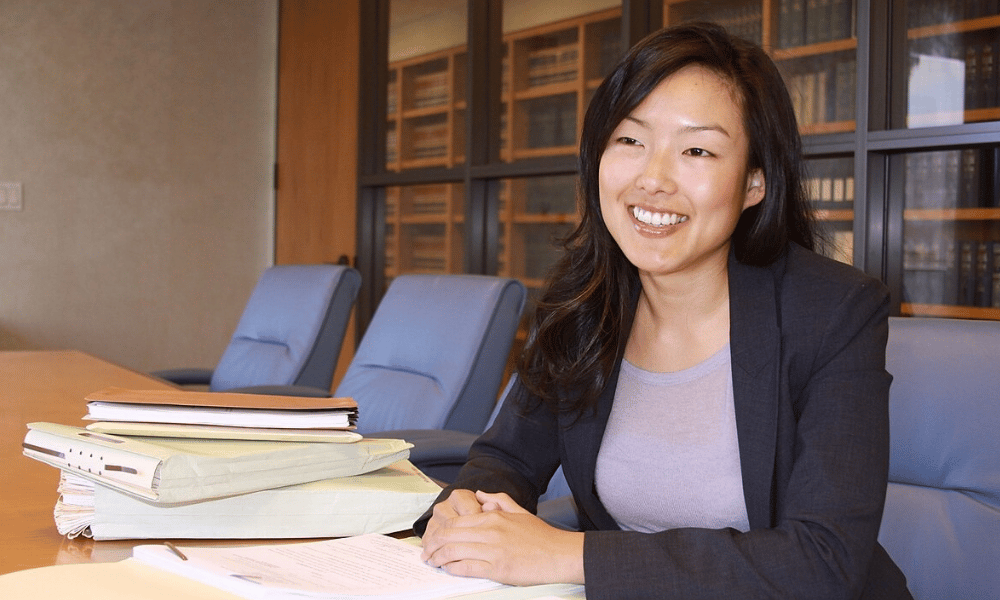
Picture: Jane Kim, This file is licensed under the Creative Commons Attribution 2.0 Generic license
California's insurer of last resort will start billing new and renewing customers an average of 29.1% more on October 15. Voters choose the state's next insurance commissioner 19 days later, and the candidate who won the June primary is campaigning on the idea that the market needs more than a rate fix.
Jane Kim, a former San Francisco supervisor and director of the California Working Families Party, told reporters this week that the system as it stands "is a disaster." Her platform would change how carriers are measured on claims, how the FAIR Plan is governed, and who carries wildfire risk in the state.
She faces state Sen. Ben Allen, a fellow Democrat. CalMatters reports it is the first time since the office became elective that two Democrats have met in the general election. Commissioner Ricardo Lara is term-limited after eight years.
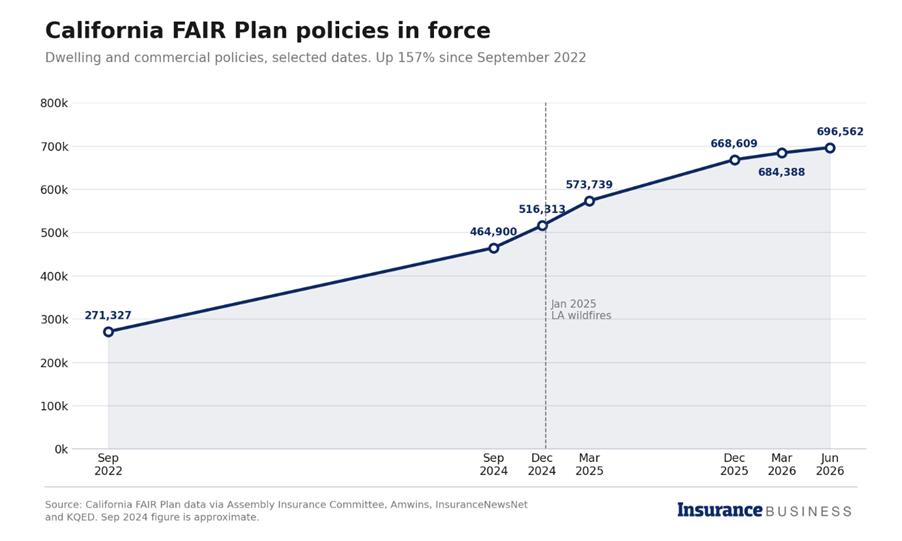
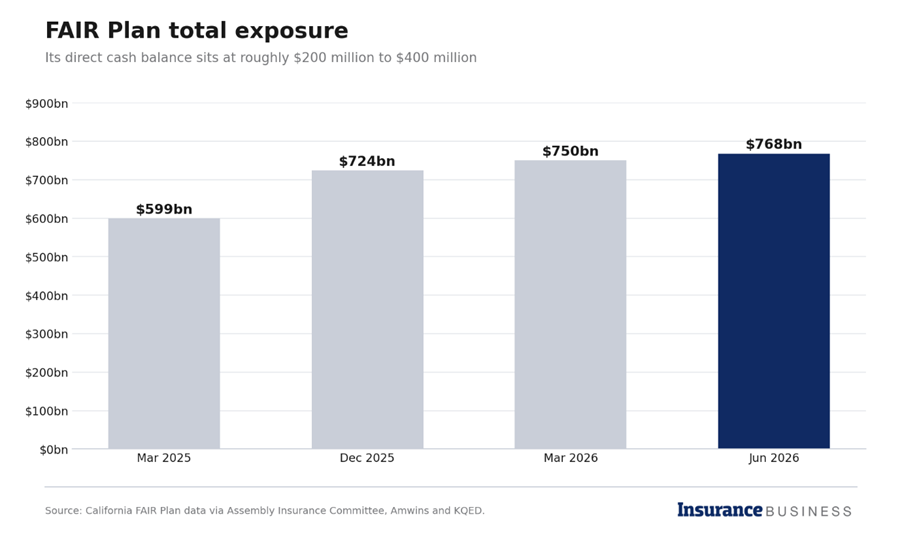
The FAIR Plan had 696,562 dwelling and commercial policies in force in June, up 157% from September 2022, according to plan figures. Its exposure has climbed to $768 billion. Its direct cash balance is between $200 million and $400 million, so it relies on reinsurance, bonds and assessments on member insurers to pay a large catastrophe.
Karl Susman, a Los Angeles broker, told KQED the October increase is "definitely going to cause pain for some people." Customers in high wildfire-risk areas will take the biggest hits, and some will see the wildfire portion of their premium double.
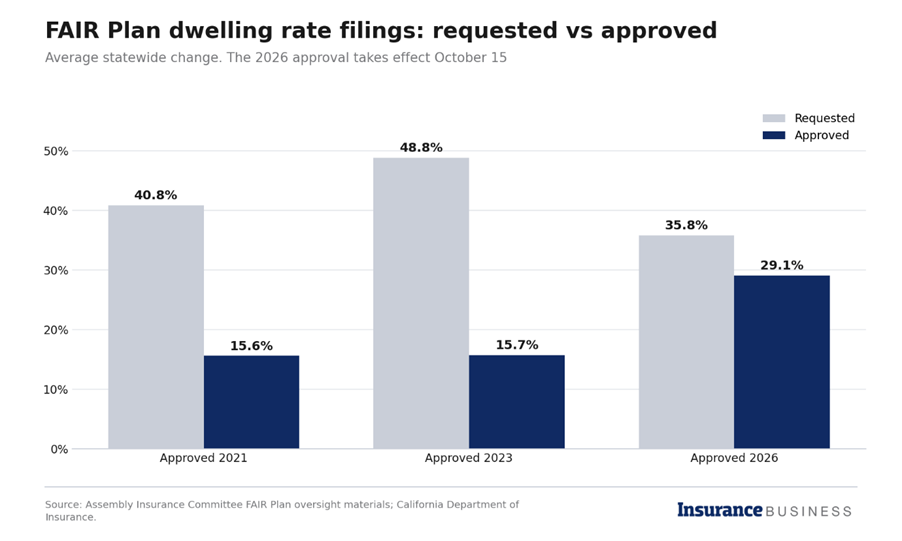
The October increase is also the first time in recent filings that regulators approved most of what the plan asked for. In 2021 and 2023, the Department of Insurance cut FAIR Plan requests of 40.8% and 48.8% to about 16% each, according to Assembly Insurance Committee oversight materials. This time the plan sought 35.8% and got 29.1%.
Premiums in the voluntary market have been rising too. A Stanford analysis released in June found average homeowners premiums up 84% since the end of 2020, or 45% after inflation. Insurance Business covered the figures in its look at how the commissioner race affects brokers in the nation's toughest market.
The Department of Insurance says the FAIR Plan's growth is slowing. The plan added about 16,000 residential policies in the first quarter of 2026. Between 2024 and September 2025, it had been adding 35,000 to 50,000 a quarter.
Kim says that is not enough. "The current status quo is not an option," she told KPBS.
A floor on claims payouts. Kim wants home and auto insurers held to a minimum loss ratio, similar to the one the Affordable Care Act sets for health plans. She says Californians get back about 48 cents in claims for each premium dollar and wants a floor of roughly 65 to 75 cents. The industry is likely to dispute her baseline. A Triple-I report citing AM Best data found California homeowners insurers ran an average combined ratio of 122.6 from 2016 through 2025, meaning they paid out more in claims and expenses than they collected. Insurance Business reported those figures when it found that 15% of California's homeowners market is now nonstandard.
Interest on delayed claims. Insurers would owe policyholders interest for each day a valid claim is denied, delayed or underpaid.
FAIR Plan governance. Kim notes that the plan was created in 1968 to counter redlining, and says its insurer-run governing committee operates with little public visibility. She would audit the committee and add seats for consumer advocates, the governor's office and the Department of Insurance. She points to Florida's insurer of last resort, Citizens Property Insurance Corp., which is a public nonprofit, as a model.
Natural Disaster Insurance for All. Her signature proposal is a state-run pool funded by redirecting part of the premiums Californians already pay. Some of the pool's investment returns would go toward fireproofing, floodproofing and other mitigation. She cites New Zealand, France and Spain as precedents and says the program would be phased in.
Read next: Jane Kim leads California insurance commissioner race - report
Allen has called the disaster pool a "pie in the sky" idea, in an interview with ABC7. The San Francisco Chronicle's editorial board endorsed Allen and described Kim as rash, warning that her approach could undo recent progress and destabilize the market.
Patrick Wolff, who ran in the primary and now backs Allen, argued in the San Francisco Standard that none of the national programs Kim cites covers fire. He wrote that New Zealand's Natural Hazards Commission offers capped first-layer cover for events such as earthquakes and landslides, with private insurers covering fire. He also argued that California's Prop 103 regulations already limit insurers' allowable profits.
Even Jamie Court, president of Consumer Watchdog, has publicly questioned whether a state fund could raise the tens of billions of dollars it would need to survive one bad fire season.
Kim told KPBS she accepts the criticism that she wants too much for California. She argues that sticking with the current approach is the bigger risk.
Read next: FAIR Plan rate hike adds to California homeowners insurance strain
Allen represents Pacific Palisades in the state Senate. He has said the January 2025 fires are why he entered the race. He wants to make the admitted market work better rather than replace it.
"There's no silver bullet here," he told the San Francisco Examiner. He listed rate-review reform, statewide risk reduction, better data, stronger consumer protections and FAIR Plan stabilization as his priorities.
On his campaign site, Allen argues that FAIR Plan growth drives up costs for all policyholders, not just those on the plan, and says the goal should be moving as many homeowners as possible back to the traditional market. He authored Proposition 4, the climate bond voters approved in 2024.
Where they stand
|
Jane Kim |
Ben Allen |
|
|
Market structure |
State-run disaster pool alongside private market |
Stabilize and expand the admitted market |
|
FAIR Plan |
Audit governance, add public seats |
Improve solvency and claims handling, move policyholders out |
|
Claims |
Minimum loss ratios, interest on delayed claims |
Stronger enforcement of existing claims laws |
|
Key backers |
Sen. Bernie Sanders, labor unions |
California Democratic Party, Sens. Adam Schiff and Alex Padilla |
Kim finished first in June with 27.2% to Allen's 19.3%, with 95% of ballots counted. Republican Stacy Korsgaden, an insurance agent, was third. Allen later won the formal endorsement of the California Democratic Party.
The winner takes over Lara's Sustainable Insurance Strategy. Under it, carriers can use catastrophe models and reinsurance costs in rate filings if they commit to writing at least 85% of their statewide market share in wildfire-distressed areas. Six of the state's 10 largest home insurance groups had signed on by mid-2026.
The strategy's results are contested. Consumer Watchdog counts about 12,189 new-policy commitments since the rules took effect, set against $571 million in requested or approved rate increases, according to CalMatters. The department called that count incomplete and premature.
David Russell, a professor of insurance and finance at Cal State Northridge, told CalMatters that "insurers are tiptoeing back into the market."
A Kim administration would likely take a harder line on rate increases filed under the strategy, and on claims handling and FAIR Plan oversight. Allen would be more likely to keep the framework and adjust it. Whoever wins, FAIR Plan and surplus lines policies already account for about 15% of California's homeowners market.
Read next: California announces state of emergency
KPBS says it is working to schedule an interview with Allen. The election is November 3.