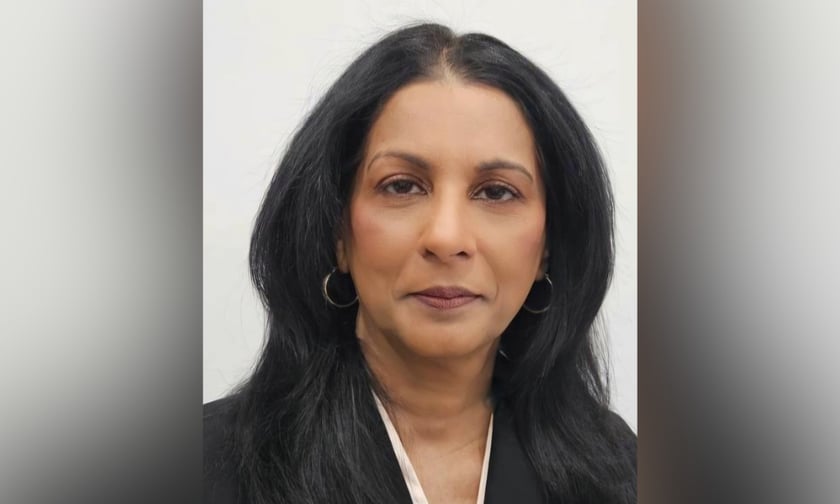
Kidnap and ransom insurance has moved well beyond its traditional buyer base of mining and resource companies sending staff to high-risk countries, according to Lalita Mohabir (pictured), vice president of accident, health, and special risk, broker solutions at CHES Special Risks, who said demand for the coverage has broadened considerably since the pandemic.
"The old adage was that the only companies and organizations that purchased this kind of coverage were mining companies, gold companies, sending employees to high-risk countries," Mohabir said. "But post-pandemic, that's all changed." Today, she said, demand spans companies looking to cover their entire workforce, not just employees traveling to traditionally high-risk regions, as well as affluent and high-profile individuals purchasing coverage for themselves and their families, increasingly as part of a broader corporate responsibility focus.
A mix of factors is driving that shift, Mohabir said: the nature of political and electronic threats, easier global travel access, the post-pandemic surge in travel to new destinations, and rising global instability, including competition for resources, that fuels abductions and extortions carried out to finance political, economic, ideological, or personal agendas.
Easier access to information compounds the effect, she said, with abductions and extortions surfacing constantly in daily news, both internationally and within Canada. "You're reading about this constantly. People are travelling more and more because of easy access now," she said. "That's opened up a whole big world of wanting to have some protection in the event something like this unfortunately happens."
Part of why the product remains less understood than other commercial lines, Mohabir said, is confidentiality baked into its nature. Unlike property or general commercial coverage, K&R isn't something companies discuss openly, including with their own staff. "It's not broadcast between employees," she said.
Incidents covered by the policy aren't limited to classic kidnapping scenarios either, she said, pointing to express kidnappings where someone is grabbed and taken to an ATM as one example of the coverage's scope.
A standard corporate policy covers employees, directors, and officers on a 24-hour basis, Mohabir said, regardless of whether an incident occurs in a professional or personal context, along with access to a crisis hotline and response team, and expenses ranging from medical, dental and psychiatric care to legal fees, reward money, lost income, disappearance investigation costs, temporary security, and child care. Coverage also typically extends to spouses, children, dependents, and guests staying with the insured, built into the policy wording at no additional cost, something Mohabir said many brokers don't realize is included. Coverage also isn't a one-size-fits-all product, she said: insureds vary, and CHES tailors terms to fit specific needs, adjusting as circumstances change.
The biggest gap she sees isn't in the policy itself, but in how well brokers understand it, Mohabir said. A common misconception, she said, is brokers assuming their clients don't need the coverage because they don't travel internationally, or don't send employees to high-risk countries.
"That's simply not the case," she said, since the coverage applies both inside and outside Canada, and covers personal circumstances, such as a home invasion or abduction, not just business travel.
That 24-hour, all-circumstances structure creates an unusual dynamic around data and privacy, Mohabir said. CHES prices the coverage based on a company's business travel, where employees are sent and how often, but deliberately don't ask about employees' personal or vacation travel. An employee who decides to take a personal trip somewhere unexpected is still covered, she said, even though the insurer never collected information about that trip.
"Realistically, that's not a gap," Mohabir said. "That's a freebie, in a way."
Beyond the reimbursement itself, Mohabir said the product covers a broader set of consequences than most brokers assume, including costs that can arise even after a kidnapped individual has returned home.
The broker base buying the product hasn't changed much, Mohabir said, but brokers themselves have grown more willing to learn about a product she described as valuable but overlooked, adding it as one more tool in their toolbox.
On pricing, Mohabir described the market as stable, though not static. Wordings are broadly similar across the managing general agents that offer the coverage, she said, with differences showing up in the additional benefits bundled into a given policy and in premium, where insurers have some room to compete against each other. "You have room to play."
Geopolitical conditions remain the main variable pushing premiums in any direction. "The risk of going to countries with a changing political environment increases the premium," she said. "And that's not getting better."