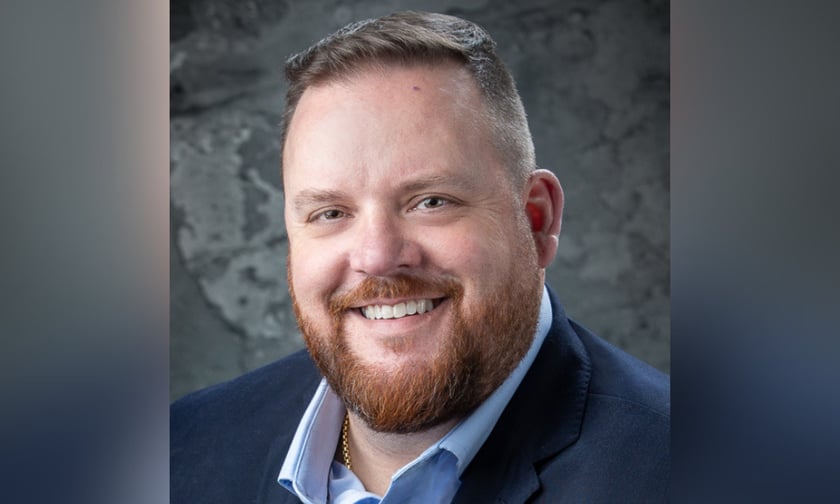
Many Canadian businesses underestimate how much a disaster can erode their customer base and long‑term revenues, and too few have clear decision‑making frameworks to respond quickly when a loss occurs, according to Jacob Reynolds (pictured), director of commercial operations for Eastern Canada at First Onsite Property Restoration.
Reynolds said that while physical damage and business interruption are the most visible consequences of severe weather or fires, the longer‑term hit to customer retention can be just as serious.
“There’s the tangibles like loss of operational functionality and business interruption,” he said in an interview. “There are bigger, more difficult to measure components like market retention.”
He said even short closures can permanently alter customer behaviour. If a favourite bar or restaurant is forced to shut for a couple of weeks after a storm loss, regulars will try nearby alternatives and may end up preferring the competitor, he noted, meaning the original business can lose them for good despite the temporary nature of the damage.
Reynolds said a recurring difference between businesses that navigate disasters well and those that struggle is whether they have a documented disaster plan and clear decision‑making hierarchy in place so focused, decisive actions can be taken quickly when an event hits.
He said he has seen the presence or absence of that structure translate into very different outcomes.
“I’ve worked throughout COVID when retailers were experiencing arsons… I’ve worked through wildfires, I’ve worked through hurricanes and tropical storms,” he said. “Having the right decision makers and the key players involved in understanding and impacting aspects of the business, whether it’s small or large, is critical, and I’ve seen the difference cost millions of dollars in preparedness versus non‑preparedness.”
Reynolds noted that in wider‑area catastrophes, businesses also need to understand how their own priorities intersect with those of authorities and first responders.
When a storm, wildfire or other climate‑driven event affects an entire region, he said, emergency services and municipal officials must triage which sites are restored first.
“You have to prioritize things, you have to create a level of triage,” he said. “Things like infrastructure sites, health care, financial institutions, grocery stores become significant because that impacts how everyone lives, the access they have to their resources, whether it’s their own or something that they need to acquire.”
He said prioritizing critical infrastructure can leave some owners feeling their situation is being overlooked. "That may be perceived as not doing enough to focus on the other things that are secondary or tertiary in that loss perspective," he said.
Reynolds said that after major wildfires or storms, his team coordinates closely with public authorities because damaged areas are often not immediately accessible. Rather than simply sending staff in to survey damage, he noted, they work with municipalities to secure practical, controlled access so restoration crews can be part of a broader, multi‑pronged response that stabilises affected sites.
He said it is natural that business owners caught up in an incident will focus first on their own premises and staff, but urged them to recognise there is always a broader operational picture.
“When you’re in the middle of something, your only perspective is your own,” he said. “You’re going to face it from what you’re dealing with, what’s immediate and what’s in front of you. There is going to always be a bigger picture perspective that needs to be considered, and that might not be immediately evident to someone who’s going through something that’s incredibly difficult.”
For smaller firms looking to improve their resilience, Reynolds said the basic principles of preparedness are similar to those for households – but with added emphasis on continuity of operations and governance.
He pointed to three broad priorities: ensuring appropriate insurance and financial protection, understanding and maintaining the physical condition of premises, and putting a simple, documented plan in place.
On the financial side, he said, regular conversations with brokers and insurers about coverage, exclusions and business interruption limits are essential, especially as “100‑year” weather events become more frequent.
On the operational side, he said, even basic building maintenance and property checks can reduce the likelihood and severity of water and wind damage.
Above all, he said, businesses need a clear disaster plan that sets out who does what and when.
“Concise and deliberate decision making” in the first hours and days of a loss, he added, can make the difference between a temporary setback and a permanent loss of customers.