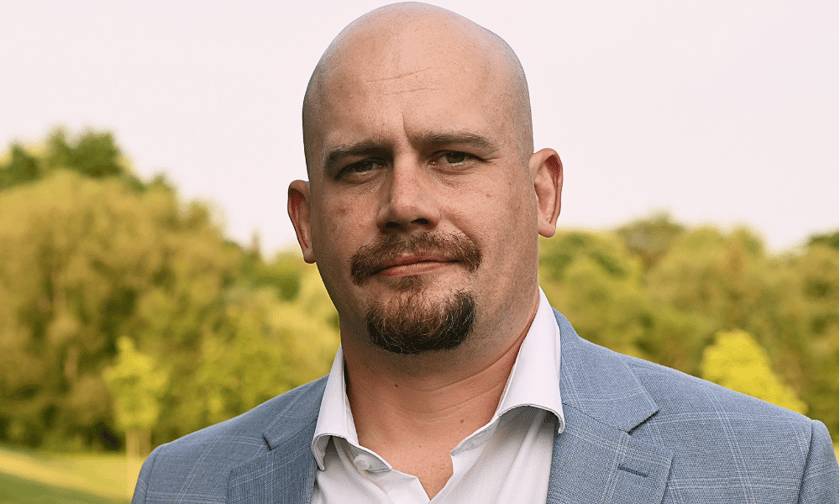
The construction insurance market has softened into the easiest placement environment in years, but the conditions holding it up are pulling against each other, and the correction may arrive sooner than many brokers expect, according to Robert Manson (pictured), managing partner of Mitch Insurance's Durham Region branch.
The softening over the past 12 months has been considerable, Manson said. Competition is back, traditional insurers have expanded their appetites, and pricing has followed.
"We're seeing premiums either stabilize or in some cases dropping by 15, 20 points year over year," Manson said. Good accounts are attracting multiple quotes, he said, and risks that would normally have been placed in a specialty market or with an MGA are now being written in the standard market – a major change. Underwriting discipline hasn't disappeared, he added, but the contractors with the best risk management protocols have benefited most and will continue to.
Asked which coverages remain hard to place, Manson was candid about how much the question has changed.
"It's probably the easiest placement environment that we've seen in several years, or at least in my now almost 10-year brokering career," he said. With traditional insurers competing for business that MGAs and specialty insurers used to take exclusively, coverage is cheaper and easier to place than it has been in many years.
The exceptions that remain are the complex and the severe, he said: builders risk placements with a high total insured value, frame construction, contractors with large pollution exposure, and operations where a single loss could be significant. By class, he pointed to high-rise residential builders, heavy civil contractors requiring limits over $10 million, hot-work roofers on large commercial projects, design-build contractors and environmental contractors. Even for those, he said, placement is easier than it has ever been.
What has his attention, though, is how long the conditions underneath can hold. Asked what signals he watches for a market turn, Manson pointed to forces already moving in opposite directions.
"The cost of claims is still rising. Repairs cost more, labour costs more, projects are staying open, inflation's driving the severity of a claim," he said. At the same time, premiums are softening, economic growth is slowing, and falling interest rates are eroding insurers' investment income – a side of the business he said the general public may not fully appreciate, since insurers earn much of their profit through investment returns.
"I think all of these long-term trends are kind of pulling against each other, and it leads me to believe that the soft market probably will end sooner than some of my peers expect," Manson said.
He said it’s hard to put a date on it, comparing the exercise to investing. "I can see an overall trend, but I can't tell you the timing," he said. "I think it's going to happen sooner than a lot of people expect."
Rising input costs feed the same conclusion from the claims side, he said. Material and labour inflation don't change what insurance covers, but they change what a claim costs – and in his view, that math is what ultimately breaks the current market.
"I don't see how premiums can drop, claims can rise, investment income for insurance companies can lower, and the soft market continue," Manson said. "They just don't seem to go hand in hand."
The soft market also deserves a caveat, in his telling: it's good news for insurance buyers, not necessarily a sign of a healthy sector. Many of his contractor clients are struggling to secure the same size of jobs they were winning before, he said, with less construction activity overall – a good insurance climate inside a tough economic one.
Insurance has always been a cyclical business, Manson said, and the current phase won't last forever.
"I don't necessarily expect a hard market tomorrow," he said, "but I think we will eventually return to a more balanced marketplace, and potentially faster than some brokers believe."