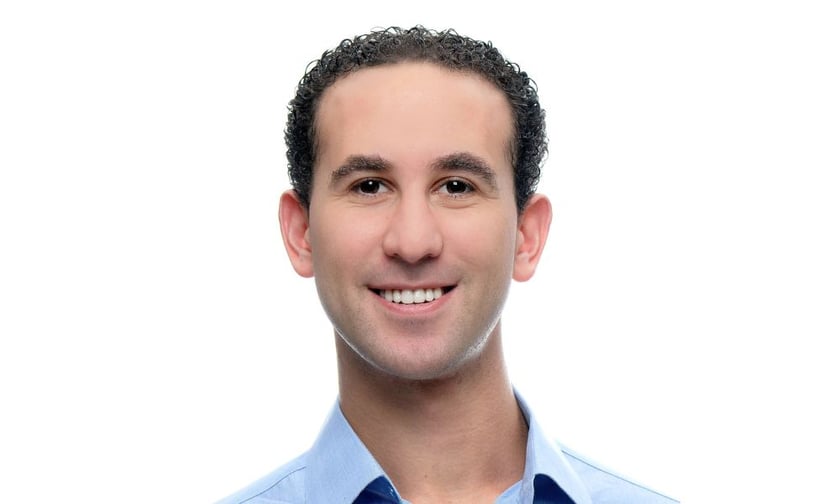
The single biggest misconception small business owners have about insurance isn't about price, according to Mariano Neiman (pictured), COO at Zensurance, and understanding that distinction is the key to a more productive conversation between brokers and skeptical clients.
"The results show that the biggest misconception is actually, it won't happen to me," Neiman said. "Unfortunately, that's a very risky misconception. A big company can absorb a bad month or a lawsuit or a flood. A small business usually can't."
That gap in resilience is exactly why the misconception is so dangerous, Neiman said. Small businesses are structurally the least equipped to absorb a shock, and yet they're also the segment most likely to assume they'll never need to, precisely because they have the least cushion available if something does go wrong.
That belief shows up clearly in Zensurance's own survey data, Neiman said, with two out of three small business owners reporting they currently carry no insurance at all. When asked why, cost wasn't the leading answer.
"38% told us they don't think they face the risk insurance covers," Neiman said. "29% told us they don't think they need it at all, and 22% of everyone we surveyed told us that their business faces no risks at all. Literally no risks at all." Only about one in five pointed to cost as the reason.
For brokers, Neiman said, that distinction matters enormously in how a conversation should be framed. The obstacle isn't price sensitivity so much as a fundamental underestimation of exposure, which means the more effective opening isn't a pitch about affordability, but a concrete illustration of the risks a specific business actually carries.
Neiman offered several examples of exposure owners routinely dismiss without realizing it applies to them: a contractor whose work accidentally damages a customer's property, a retail store facing fire, theft, or a slip-and-fall, or a beautician whose client has an adverse reaction to a treatment and decides to pursue legal action. In the current economic climate, he added, that risk isn't limited to genuine incidents.
"Sometimes due to the bad economy, just an unmeritorious claim, maybe nothing happened, but they still want to sue to see if they can get a few bucks out of this," Neiman said.
Every business carries exposure in some form, Neiman said, which is why he sees the core issue as a literacy problem rather than a cost problem, something brokers are well positioned to address directly rather than leaving clients to work through on their own.
"So every business has exposure," Neiman said. "The misconception isn't that insurance is too expensive. Rather, that belief that bad things don't happen to good people. It's not going to happen to me."
That framing matters for how brokers approach a hesitant client, since leading with pricing when the real obstacle is risk perception tends to miss the actual objection entirely. A client who believes they face no meaningful exposure has little reason to weigh cost against benefit in the first place, regardless of how competitive a quote might be.
Once owners actually engage with the process, Neiman said, two things tend to surprise them. The first is discovering that coverage is often considerably cheaper than they assumed, or that a better rate is available than what they've been paying for years without checking. The second is realizing just how little time the entire process actually takes.
"We started Zensurance exactly for this," Neiman said. "It doesn’t take a lot of time [for business owners] to educate themselves and understand the risk, understand the price, not days or weeks as it used to take."
That combination, lower cost relative to expectations and minimal time investment, gives brokers concrete, specific counterpoints to raise the moment a client says they've considered insurance and passed.