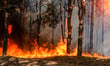
With wildfires burning out of control in British Columbia and evacuation orders in place across the Fraser Canyon, the claims industry is heading into the peak of the 2026 season facing a familiar constraint, according to Shawn Roy, branch manager for northeastern Ontario at ClaimsPro: there are not enough adjusters in the country.
"The biggest pressure point remains the lack of adjusters in the country. There is a significant shortage," Roy said. The problem has been compounded by recent quiet years, he said. "Since there has not been many CAT events in the last few years, insurers have not been hiring to meet CAT capacity, so there will be increased need for independent adjusters to assist."
Read more: Jasper wildfire recovery exposes deep insurance gap as rebuild drags into second year
ClaimsPro treats wildfires like any other catastrophe event, Roy said, assessing regional capacity and working on cross-provincial licensing to make sure adjusters are available where clients need them. That approach reflects a broader shift in posture: because wildfires are now expected with warmer, drier summers, the firm has moved toward being prepared in advance rather than responding after the fact.
Cross-provincial licensing has been the biggest lesson from recent seasons, Roy said. It opens up capacity for desk-handled claims across the country, which in turn frees local adjusters to take care of local clients. Staffing for catastrophe events, he said, is now an ongoing process rather than a seasonal exercise.
Asked what policyholders and insurers tend to underestimate about wildfire claims, Roy pointed to the timelines. Evacuation is only the initial phase, he said. Once a fire is finally under control and put out, adjusters can re-enter the area and begin assessing damage and deploying experts. Only after that assessment is complete can cleaning and repair work begin – and with resources generally limited, timelines extend and repairs are delayed.
Read more: Insurance industry hits structural inflection point as risk outpaces resilience
"The turnaround time from leaving your home to returning once the repairs are completed is generally much longer than any homeowner could expect," Roy said.
On the regional outlook, Roy said the Prairies are the primary watch for wildfires this year, though recent heavy rain there will help. Northern Ontario and Quebec, with their dense forests, are also monitored closely during dry periods, he said.
So far this season, the fires demanding the most attention have been elsewhere. In B.C.'s Fraser Canyon, the Brunswick Creek and Ainslie Creek wildfires have forced evacuation orders covering more than 200 properties, with hundreds more under alert including the community of Boston Bar, closed a stretch of the Trans-Canada Highway and destroyed structures, including parts of a resort north of Boothroyd. The Ainslie Creek fire alone had grown to more than 15,000 hectares by late last week, roughly doubling in size within days. Further east, the Lussier River fire in the East Kootenay region prompted evacuation alerts covering 72 addresses over the weekend after being discovered on July 11.
Nationally, the picture has escalated through early July. As of the federal government's July 9 update, there were 796 active wildfires across the country, including 60 burning out of control under full response. The season has produced 3,137 fires and 1.4 million hectares burned so far – more fires than at the same point last year, though well short of last year's area burned. Canada has moved to National Preparedness Level 4, meaning wildfire activity is significant in one or more jurisdictions and interagency resource demand is high, with international availability of resources being investigated.
Read more: Poor disaster planning can cost businesses customers long after reopening
The forecast suggests little relief. Environment and Climate Change Canada expects above-average temperatures across much of the country from July through August, with dry conditions expected in regions including Manitoba and northwestern Ontario – the latter squarely in the territory Roy's team monitors. Southern interior British Columbia is also expected to face higher-than-normal fire danger in August.
For homeowners in fire-prone regions, Roy's message comes back to expectations: the claims process that follows a wildfire runs on a longer clock than most people imagine, and the industry's ability to shorten it depends on capacity that is already stretched.